
Septemeber 23, 2026, By Sandra D. Polster
Small business owners have a unique advantage when it comes to diversity, equity, inclusion, and belonging (DEIB). Unlike large corporations with multiple approval layers, local businesses can often adapt their marketing quickly, build authentic relationships, and represent the communities they serve in meaningful ways. Thoughtful marketing doesn’t just promote products – it shapes who feels welcome, valued, and understood.
At a Glance
- DEI in marketing is about making your business more welcoming and accessible.
- Small changes in language, visuals, accessibility, and outreach can have a measurable impact.
- Authentic representation matters more than checking boxes.
- Inclusive marketing often strengthens customer trust, loyalty, and community relationships.
- Progress comes from consistency rather than one-time campaigns.
Why Inclusive Marketing Matters
Marketing influences first impressions long before someone visits your store, books a service, or makes a purchase. If your messaging unintentionally excludes certain groups, potential customers may simply move on.
Inclusive marketing helps businesses communicate with broader audiences while reflecting the diversity that already exists within their communities. It isn’t about appealing to everyone equally. Instead, it’s about removing unnecessary barriers so more people can see themselves as potential customers.
Small businesses often thrive because they build personal connections. Inclusive marketing strengthens those connections by demonstrating respect for different backgrounds, abilities, cultures, ages, and lived experiences.
This isn’t just a feeling. A 2026 report from the Human Rights Campaign Foundation found that nearly 7 in 10 LGBTQ+ consumers report buying fewer products from companies they see as scaling back on inclusion, and LGBTQ+ consumers are more than twice as likely as non-LGBTQ+ consumers to walk away from a brand they perceive as retreating. As HRC President Kelley Robinson put it, “authenticity and consistency builds community trust with brands.” For small businesses, that’s good news: consistent, genuine inclusion (not grand gestures) is what earns lasting customer loyalty.
Practical Ways to Make Your Marketing More Inclusive
Instead of overhauling your entire brand overnight, start with manageable improvements.
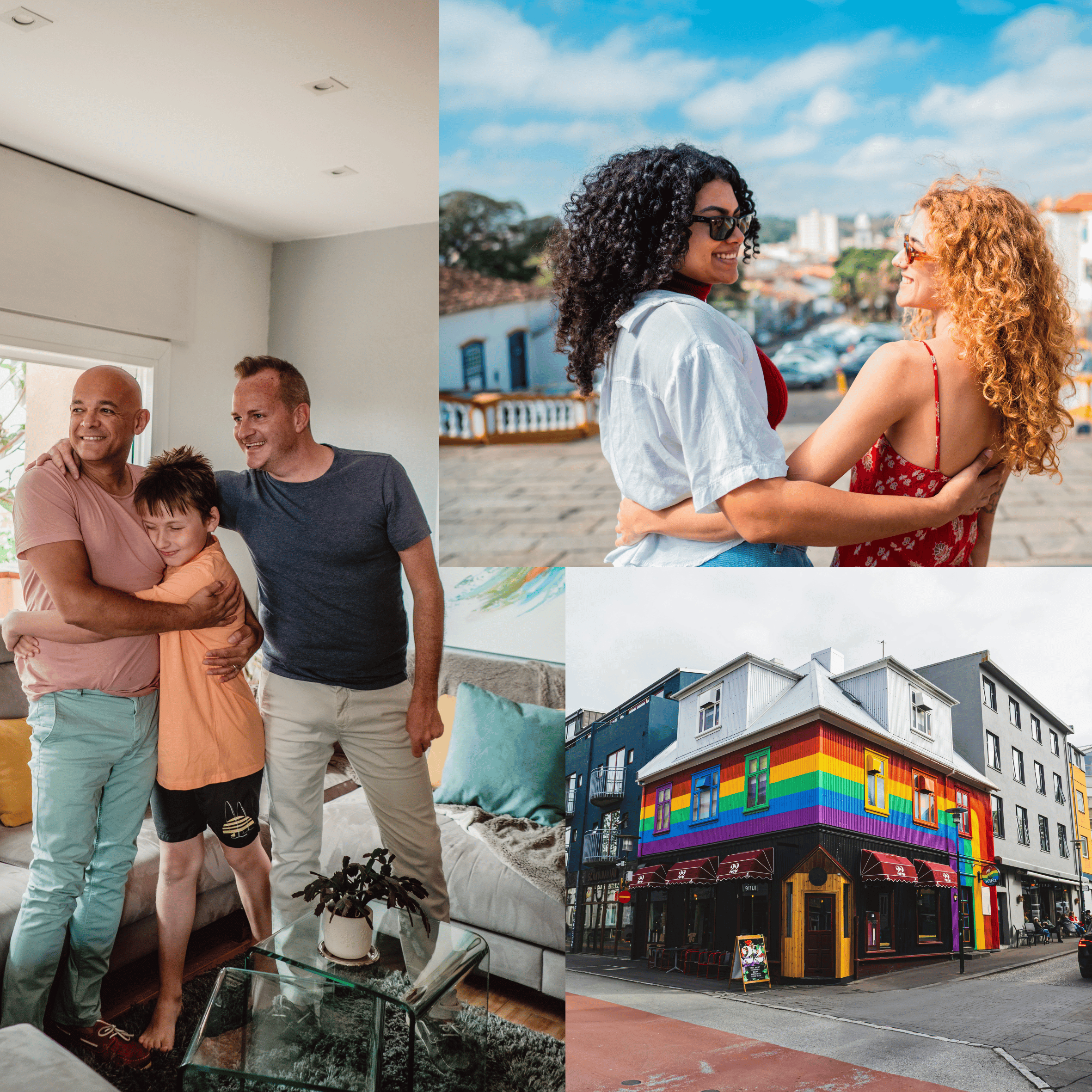
- Use images that naturally reflect different ages, ethnicities, family structures, and abilities.
- Write in clear, straightforward language that’s easy for a wide audience to understand.
- Add descriptive alt text to website images to improve accessibility.
- Offer captions for videos whenever possible.
- Feature real customers and community members when appropriate rather than relying only on stock photography.
- Highlight different customer stories throughout the year instead of limiting representation to awareness months.
These adjustments often improve the customer experience for everyone – not just specific groups.
A Simple Marketing Checklist
Before publishing a campaign, ask yourself:
☐ Does the imagery represent a variety of people authentically?
☐ Is the language welcoming and free from stereotypes?
☐ Can someone using assistive technology access this content?
☐ Does this campaign reflect our actual business values?
☐ Have we considered how different audiences might interpret the message?
Even if every box isn’t checked perfectly every time, using a consistent review process helps build stronger marketing habits over time.
Common Marketing Approaches and Their Impact
| Marketing Practice | Why It Supports DEI | Business Benefit |
| Accessible website design | Helps more people use your site comfortably | Improves customer experience |
| Diverse customer photography | Reflects a broader audience | Builds trust with new customers |
| Plain-language writing | Makes information easier to understand | Reduces confusion and improves engagement |
| Community partnerships | Supports local organizations and events | Strengthens local reputation |
| Customer feedback collection | Encourages different perspectives | Helps improve products and services |
Working With Marketing Professionals
As your business grows, you may decide to work with marketing consultants, graphic designers, branding specialists, photographers, copywriters, or digital marketing agencies that have experience creating inclusive campaigns. Sharing visual concepts and design drafts efficiently can make collaboration much easier.
One helpful tool is a PDF to JPG converter, which provides the convenience of converting PDF files into image format for easy sharing, viewing, and editing across different platforms and devices. This makes it simpler to exchange visual materials with marketing experts during reviews. If you’d like to learn more about that capability, you can browse these options..
Inclusion Starts With Listening
Many businesses assume they already know what customers want. Sometimes they do – but sometimes valuable perspectives are missing.
Listening can happen through:
- Customer surveys
- Social media conversations
- Reviews
- Community events
- Employee feedback
Rather than looking for praise alone, pay attention to recurring suggestions. If several customers mention accessibility concerns or confusing language, those insights can help improve future marketing.
Meaningful inclusion is often the result of ongoing conversations rather than one perfect campaign.
A Helpful Resource for Small Businesses
If you’re looking to learn more about inclusive business practices beyond marketing, the U.S. Small Business Administration (SBA) offers practical guidance, educational materials, and local support for entrepreneurs at:
The SBA provides information on starting and growing businesses, connecting with local resource partners, and accessing educational programs that can help strengthen long-term business success.
Frequently Asked Questions
Is DEI marketing only for large companies?
No. Small businesses often have greater flexibility to make meaningful improvements quickly because decision-making is usually more direct.
Does inclusive marketing require a large budget?
Not necessarily. Updating website language, improving accessibility, using authentic photography, and listening to customer feedback can all be relatively affordable improvements.
Can inclusive marketing help customer loyalty?
Yes. Customers are more likely to return to businesses where they feel respected, represented, and able to access products or services comfortably.
Should every marketing campaign focus on DEI?
Not every campaign needs to center on DEI directly. Instead, inclusion should become a consistent part of how your business communicates over time.
Marketing has always been about helping people connect with businesses that meet their needs. By making your messaging more welcoming, accessible, and authentic, you create opportunities to serve a wider range of customers while strengthening your reputation within the community. Small, consistent improvements often have a greater long-term impact than one highly visible campaign. Inclusive marketing isn’t just good practice—it helps build relationships that support lasting business growth.